 Mattresses
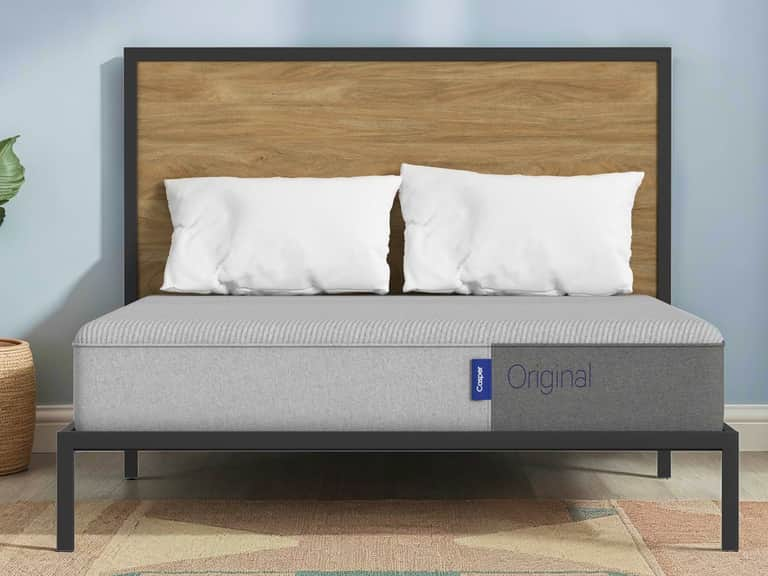
Original Mattress
Sleep cooler and cradled in comfort with responsive foam that hugs your curves, while three-zone support keeps your spine aligned for balanced, all-night comfort.
Foam mattresses are an integral option in modern bedding, offering a balance of contouring support and motion isolation suitable for varied sleep styles. These mattresses use layered foam constructions to align the spine, reduce pressure points, and provide a stable surface for side, back, and combination sleepers. Understanding foam density and airflow helps assess comfort and durability over time.
Within this category, foam mattress designs emphasize materials such as memory foam and polyurethane foam, which influence conformity, temperature regulation, and resilience. High-density foams tend to offer longer-lasting support, while open-cell constructions improve breathability. Users often consider firmness levels and thickness to match body weight and preferred sleep position for optimal alignment.
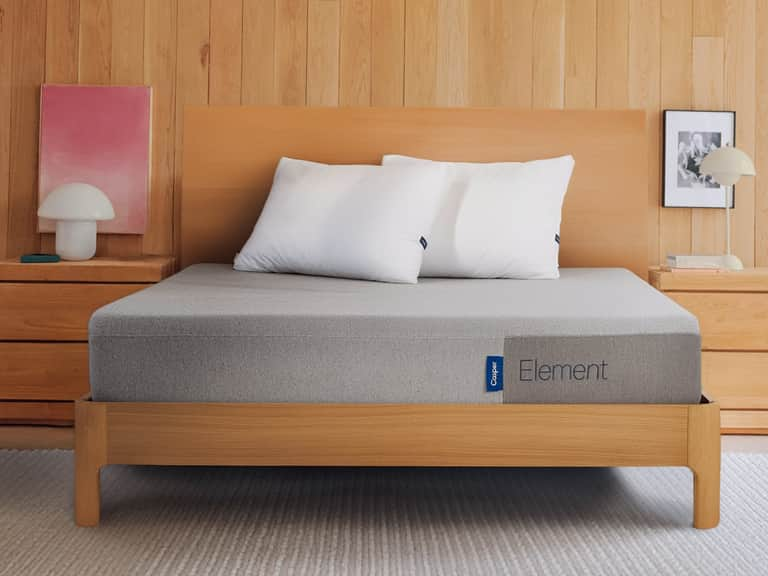
The Element Mattress serves as a representative example of foam-based comfort, combining responsive comfort layers with a supportive core. Its design focuses on pressure relief for hips and shoulders, gradual contouring to body curves, and reduced motion transfer for shared sleeping surfaces. Functional benefits include improved comfort during long rest periods and consistent spinal alignment.
Key features to evaluate include density, cell structure, and cover materials that influence heat dissipation and sleeping surface feel. Foam mattresses may incorporate cooling infusions or transition foams to balance warmth and support. For nursery and guest room contexts, lighter options with appropriate firmness can provide safe, comfortable sleep surfaces for various occupants.
Beyond sleep quality, foam mattresses relate to broader bedding ecosystems such as pillows, sheets, and latex alternatives. The interplay between mattress construction and bedding accessories affects overall comfort, hygiene, and ease of care. In educational discussions, understanding foam responsiveness, durability, and compatibility with bed frames clarifies long-term suitability for diverse bedrooms.
Mattresses
 Mattresses