Comparing Natural Latex Organic Mattresses: Comfort, Support, and Sleep Health
An in-depth, editorial-style exploration of natural latex organic mattresses, focusing on how comfort, support, durability, and sleep health intersect. We unpack the science behind latex textures, explain the nuances of Dunlop versus Talalay processing, discuss firmness considerations for different sleepers, and offer practical guidelines for choosing certifications and materials that contribute to a healthier sleep environment.
Summer nights remind us that sleep health is a year-round conversation. In the realm of mattresses, natural latex stands out for many sleepers seeking a balance of comfort, resilience, and minimal synthetic exposure. Like the best health stories, the truth about latex is layered: it involves material science, factory standards, and real-world comfort experiences. This article aims to demystify those layers, help you compare options with an informed eye, and provide a practical framework for selecting a latex mattress that aligns with your sleep needs.
What natural latex mattresses are and how they’re made
Natural latex mattresses are built from latex formed from the sap of rubber trees. The raw latex can be processed into two primary textures that influence feel: Dunlop and Talalay. Dunlop latex tends to be denser and more supportive throughout the block, with a slightly firmer feel that can contribute to a grounded, stable sleeping surface. Talalay latex, on the other hand, is often kiln-processed to produce a more uniform cell structure, resulting in a lighter, more buoyant, and sometimes fizzier sensation. Both are commonly marketed as natural latex when they use high-quality, sustainably sourced raw materials and avoid synthetic additives.
The mattress itself typically combines multiple latex layers to achieve a desired contour and support profile. A common approach is to layer firmer latex at the core for support, with softer latex near the surface to cushion the body’s pressure points. This layering strategy can be customized to accommodate different sleepers — from side sleepers requiring gentler shoulder and hip relief to back and stomach sleepers needing more prominent core support.
Firmness, feel, and how latex textures shape sleep comfort
One of latex’s defining advantages is its ability to deliver consistent support with responsive bounce. The texture and pore structure of latex influence pressure relief, temperature neutrality, and the mattress’s ability to respond to movement. In general, latex offers:
- Excellent durability that often outlasts foam-based mattresses.
- Good airflow and breathability when paired with breathable covers and casings.
- Intrinsic resilience that helps maintain spinal alignment without the “sinking in” sensation found in some foam layers.
- Natural materials that appeal to sleepers prioritizing organic or low-toxicity products.
When choosing firmness, readers often face a paradox: firmer cores can offer better support for back sleepers, while softer top layers can improve pressure relief for side sleepers. A practical approach is to think about how you distribute weight when lying in your typical sleep posture. For side sleepers, a balanced mix of comfort and support is essential to avoid shoulder and hip compression. For back sleepers, a mattress that reduces sagging and maintains a neutral spine is key. For combination sleepers, a bed with some bounce and a contour that supports frequent position changes can be beneficial.
Dunlop vs. Talalay: what the terms really mean for sleep health
The distinctions between Dunlop and Talalay latex translate into feel, density, and even how the materials respond under body heat. Dunlop latex tends to be denser and offers robust support, which can be advantageous for heavier sleepers or those who prefer a firmer baseline. Talalay latex provides a lighter, more buoyant feel that may be preferred by those who want quicker pressure relief and a spoon-like contour without excessive sinking.
For sleep health, the key is alignment and temperature regulation, not merely the sensation of the mattress. A well-chosen latex mattress helps keep the spine aligned across sleep stages, supports healthy hips and shoulders, and, when paired with breathable covers and proper room climate control, can support cooler, more comfortable nights.
Certifications, safety, and longevity: how to evaluate a latex mattress
When evaluating organic or natural latex mattresses, several certifications provide meaningful signals about safety, environmental impact, and product performance. Here are some core considerations:
- GOLS (Global Organic Latex Standard): The gold standard for organic latex, focusing on the organic content and the supply chain’s integrity from tree to final product.
- OEKO-TEX Standard 100 or higher: Certifications that test for harmful substances in textiles, contributing to a healthier indoor environment when used on mattress covers and textiles.
- USDA Organic or comparable organic certifications for the latex or other natural components, where applicable.
- Durability and warranty coverage: A robust warranty indicates confidence in longevity, especially for latex that is expected to maintain structural integrity over many years.
In practice, a mattress with a well-constructed cover, responsibly sourced latex, and a transparent material disclosure fosters a healthier sleep setting. Off-gassing is a common concern with new mattresses, but natural latex with reputable certification tends to exhibit low off-gassing when properly manufactured and cured. Always review the warranty terms, including what happens if you don’t love the feel after a laydown period, and whether the mattress is compatible with adjustable bases if that’s part of your sleep setup.
How to test firmness and comfort without a showroom
If you can’t visit a showroom, there are practical steps to evaluate latex mattress comfort at home:
- Investigate layered configurations: Look for mattresses that allow you to adjust layers or choose configurations that can be swapped to tailor firmness as needed.
- Consider your sleep posture and weight: Heavier individuals often benefit from firmer support cores, while lighter sleepers may prefer a gentler top layer for pressure relief.
- Review return policies and trial periods: A generous trial period helps you assess whether the feel aligns with long-term comfort in your own sleeping environment.
- Assess temperature neutrality: Breathable covers, natural latex, and well-ventilated constructions contribute to cooler nights, especially in warm months.
Durability and the story of longevity in latex mattresses
Latex mattresses are famed for durability, often outperforming many foam-based options in terms of resilience and shape retention. Durable latex resists sagging and maintains consistent support across years. A well-made latex mattress with proper edge support and a breathable cover tends to retain its shape, which contributes to ongoing spinal alignment and less micro-sag over time. The longevity story matters because a mattress is not just a purchase; it’s an ongoing commitment to sleep health.
A closer look at available latex products you might encounter
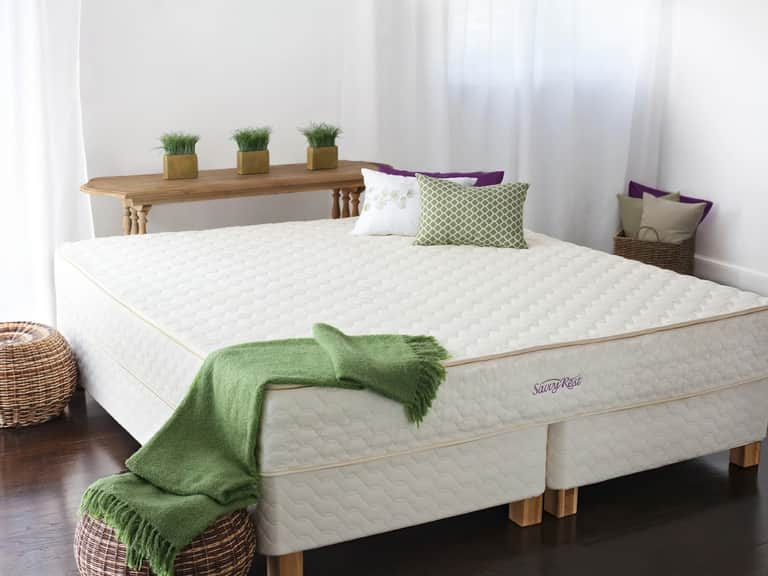
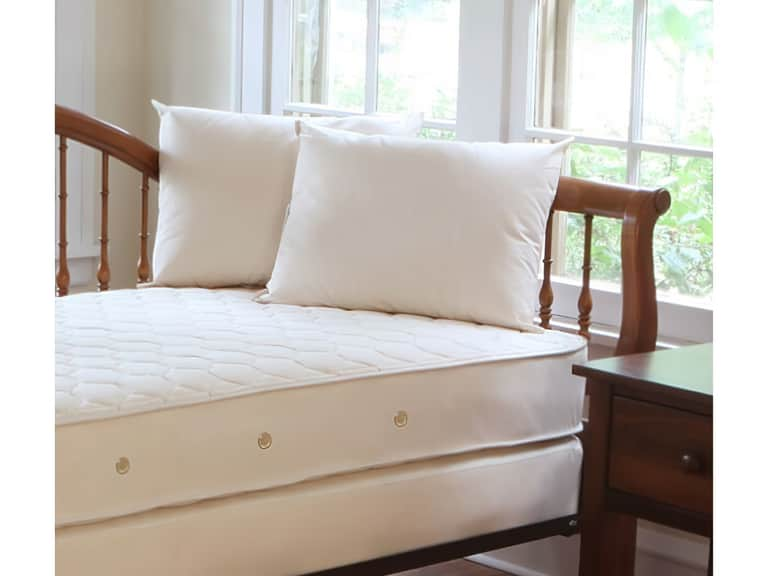
In this landscape, a few real-world products help illustrate typical configurations and options. One example you may encounter is the Savvy Rest Serenity Latex Mattress. It is a 10-inch thick, customizable latex mattress that combines layers of soft, medium, or firm Dunlop or Talalay latex. The Serenity is encased by an organic cotton cover with organic wool batting quilted inside, designed to promote a cooler, drier sleep environment while providing a natural flame barrier. It is crafted in the United States and offers configurations that accommodate individual sleep preferences, including variations by side for couples. The Serenity’s design highlights how layering and materials can work together to balance temperature regulation, support, and comfort.
When evaluating such products, pay attention to the specific latex blend or layering options, the quality of the outer casing, and the sourcing of wool or cotton used as natural flame barriers or quilting. These details often influence long-term comfort and the mattress’s breathability, which is particularly important for hot sleepers seeking temperature neutrality.
Practical guidance: choosing a natural latex mattress for sleep health
For readers prioritizing sleep health and natural materials, here is a practical decision framework:
- Assess your sleep posture and weight to determine an appropriate firmness range. A general approach is to match the mattress firmness to your typical sleep position, while ensuring your spine remains neutral through movement and sleep cycles.
- Evaluate the latex texture (Dunlop versus Talalay) and consider trying layered configurations in a trial plan that allows layer swapping or adjusting firmness.
- Check certifications and material disclosures to confirm organic content, safety, and ethical sourcing.
- Prioritize breathable covers and supportive edges to maximize temperature regulation and durability.
- Consider combining a latex mattress with complementary cooling bedding and climate controls (e.g., breathable sheets, light bedding in warm seasons, and airflow optimization) to enhance overall sleep health.
Conclusion: the healthy choice—latex, longevity, and sleep health
Natural latex mattresses offer a compelling combination of comfort, support, and durability for sleep health. Through careful attention to latex type, firmness configuration, and certifications, sleepers can select a mattress that aligns with their body, posture, and personal health goals. The story of latex is ultimately about balance—between softness and support, between bounce and contour, and between natural materials and tested performance. When chosen thoughtfully, a latex mattress can become a long-term partner in better sleep, supporting restful nights and healthier days.
Product spotlight: representative options aligned with the article themes
While this article remains focused on educational guidance, a practical reference exists in real-world product offerings that illustrate the kinds of latex mattresses discussed here:
-
Savvy Rest Serenity Latex Mattress — a customizable, 10-inch organic latex mattress featuring Dunlop and/or Talalay latex layers, with an organic cotton cover and wool quilted inside for temperature regulation. The Serenity demonstrates how layering choices can tailor comfort for different sleepers, and its U.S.-made construction exemplifies quality craftsmanship in latex systems.
Link: Savvy Rest Serenity Latex Mattress
-
If you’re exploring other organic latex options, look for products that provide clear layer configurations, certifications like GOLS, and accessible care guidance. A well-documented product page can help confirm the presence of organic cotton coverings and responsibly sourced latex.
This article’s aim is to empower readers with knowledge to navigate natural latex choices confidently and to prioritize sleep health through informed material and design decisions. For additional details on specific products and configurations, consult product pages that offer precise specifications, certifications, and warranty information.
Note: The items referenced are examples of real products that illustrate the topic. Always verify current availability, specifications, and certifications with the retailer or manufacturer.